Why Does Little Caesars Make My Stomach Hurt? (Digestive Facts)
Why does Little Caesars pizza make your stomach hurt? Learn about lactose levels, soybean pan oils, sodium loads, and gut-friendly pizza customizations.
📢 Independent Fan Site Disclaimer
This article is part of our independent reference guide. LittleCeasarsMenu.com is a fan-run website and is not affiliated with, authorized, or sponsored by Little Caesars Enterprises, Inc. All registered trademarks, logos, and prices belong to their respective owners and may vary by location.Indulging in a hot pizza is one of life's simple pleasures, but for some, the aftermath isn't so pleasant. If you have ever experienced bloating, cramps, or indigestion after eating, you might wonder: why does Little Caesars pizza make my stomach hurt?
While skeptics online blame "fake ingredients" or artificial preservatives, we have proved through our cheese quality analysis that they use 100% real dairy cheese. The actual triggers are related to food science: the high-moisture Muenster cheese blend, the use of soybean pan oil, and a heavy sodium/gluten load. Below, we'll detail these digestive triggers, provide an allergen checklist, and explain how to customize your order to avoid stomach discomfort.
⚠️ Main Pizza Digestive Irritants
- 1. Lactose Whey in Muenster Cheese: Unlike low-moisture skim mozzarella, the Muenster cheese used in their blend has a higher whey moisture content, which can trigger lactose-sensitive stomachs.
- 2. Soybean Pan Grease Oil: To ensure deep-dish crusts release cleanly and get crispy, pans are greased with soybean oil. Heated soybean oil is high in Omega-6 fatty acids, which can trigger gut sensitivity.
- 3. High Sodium Osmotic Load: A single slice contains up to 600mg of sodium. Consuming multiple slices causes osmotic water retention in the intestines, leading to immediate bloating.
The Soybean Oil & Gluten Factor
Standard pizzas are baked on screens (cross-contamination warnings are covered in our Little Caesars Gluten Free Guide), but Detroit-style deep-dish pan pizzas require greased pans. Little Caesars uses soybean oil for greasing. Soybean oil is highly refined, and when heated to high temperatures in pizza ovens, it can release compounds that irritate the digestive lining of sensitive individuals.
Additionally, the thick pizza crust is made from enriched wheat flour, which contains a high density of gluten. For people with mild non-celiac gluten sensitivity, this concentrated dose of gluten causes slow digestion and gas. If you experience these symptoms, read our detailed Gluten-Free Guide to find safer sides.
Digestive Prevention: How to Avoid Pizza Stomach Pain
How can you order at Little Caesars to reduce digestive stress and avoid stomach discomfort?
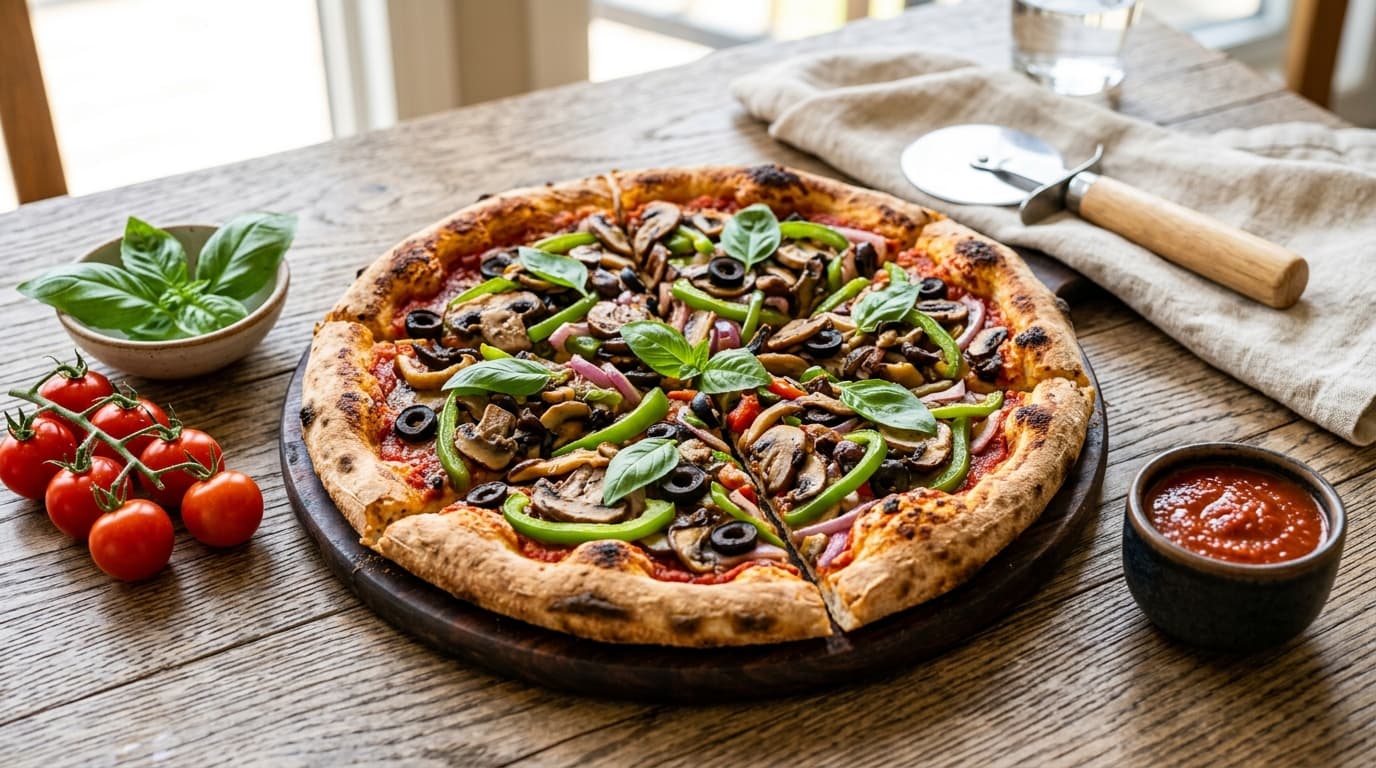
Choosing a Thin Crust Pizza is the best way to prevent stomach discomfort. Thin crust pizzas feature significantly less yeast and carbohydrates, which prevents heavy bloating and gas in the stomach.
Additionally, asking for "Light Cheese" decreases the lactose density from the Mozzarella-Muenster blend, and opting for chicken or veggie toppings rather than greasy pepperoni reduces the refined soybean oil load, making it much easier on the digestive tract.
Digestive Profile: Deep Dish vs. Thin Crust
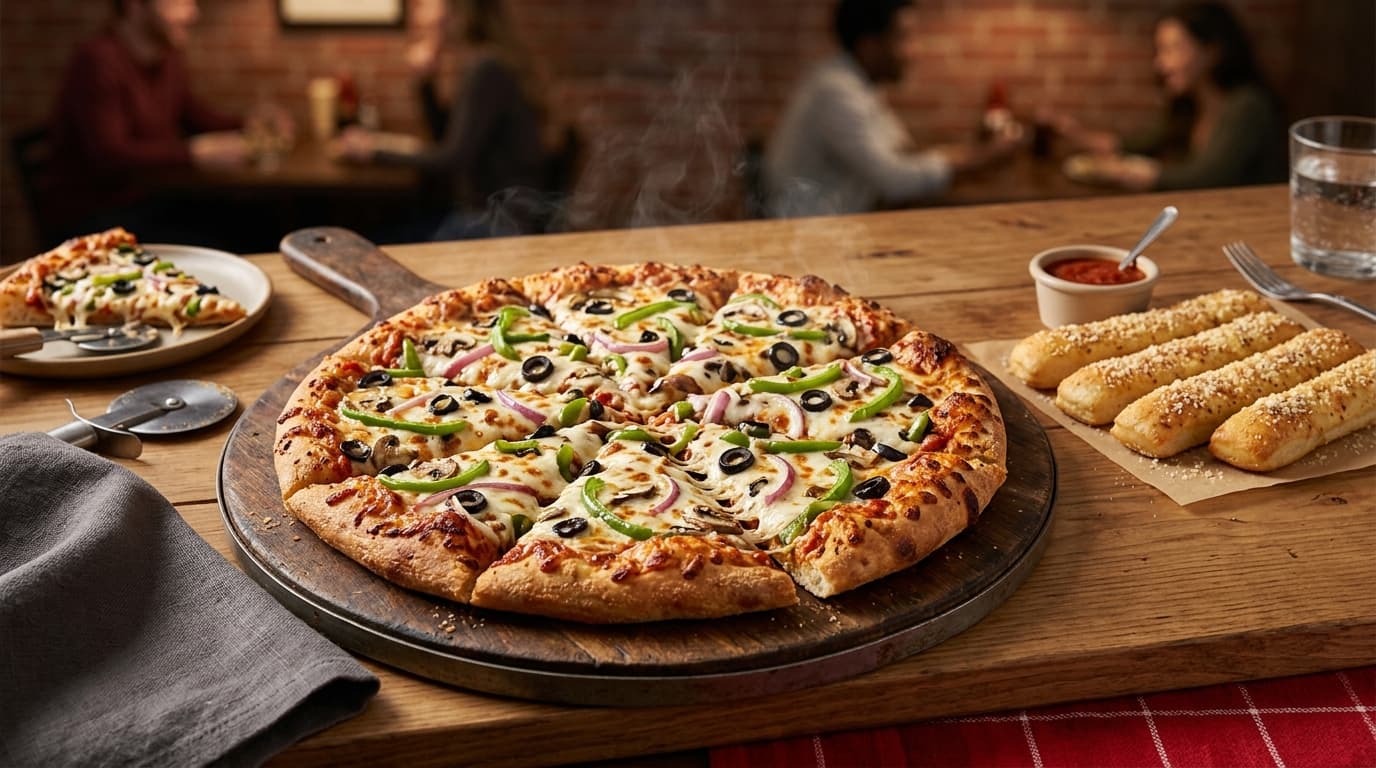
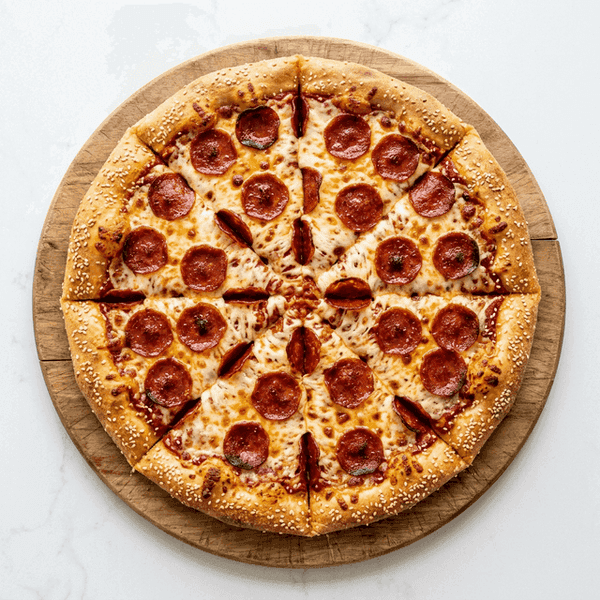
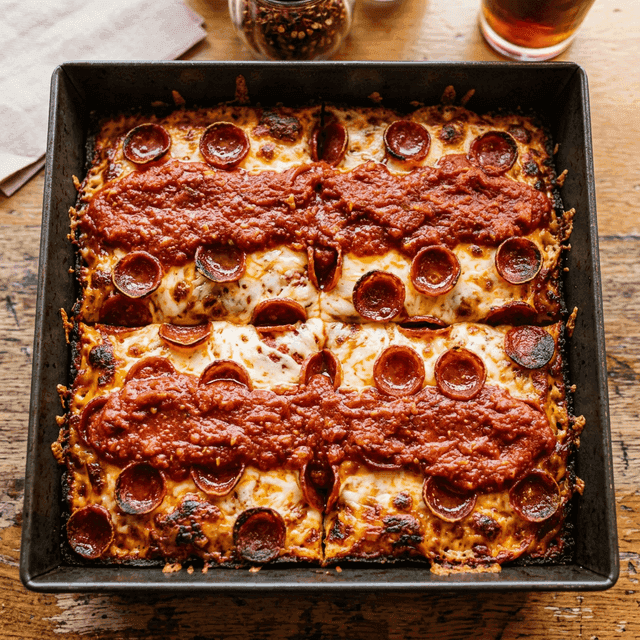
Thin crust pizzas minimize yeast-induced bloating and carb loading. Deep-dish pan pizzas utilize refined soybean oil for pan greasing, contributing to grease-related stomach aches.
Thin Crust Custom
Easy on Stomach
Detroit Style Deep Dish
High Grease & Yeast
To conclude, experiencing a stomach ache after eating Little Caesars is typically caused by the high sodium load, lactose levels in the Mozzarella-Muenster cheese blend, or the soybean pan grease used for baking deep-dish pizzas. Choosing standard thin crust pizzas at Little Caesars can significantly reduce digestive discomfort.
Allergen and Health Guides Comparison
Here is how our digestive health guide compares to other allergen pages on our website:
Allergen Menu Secrets
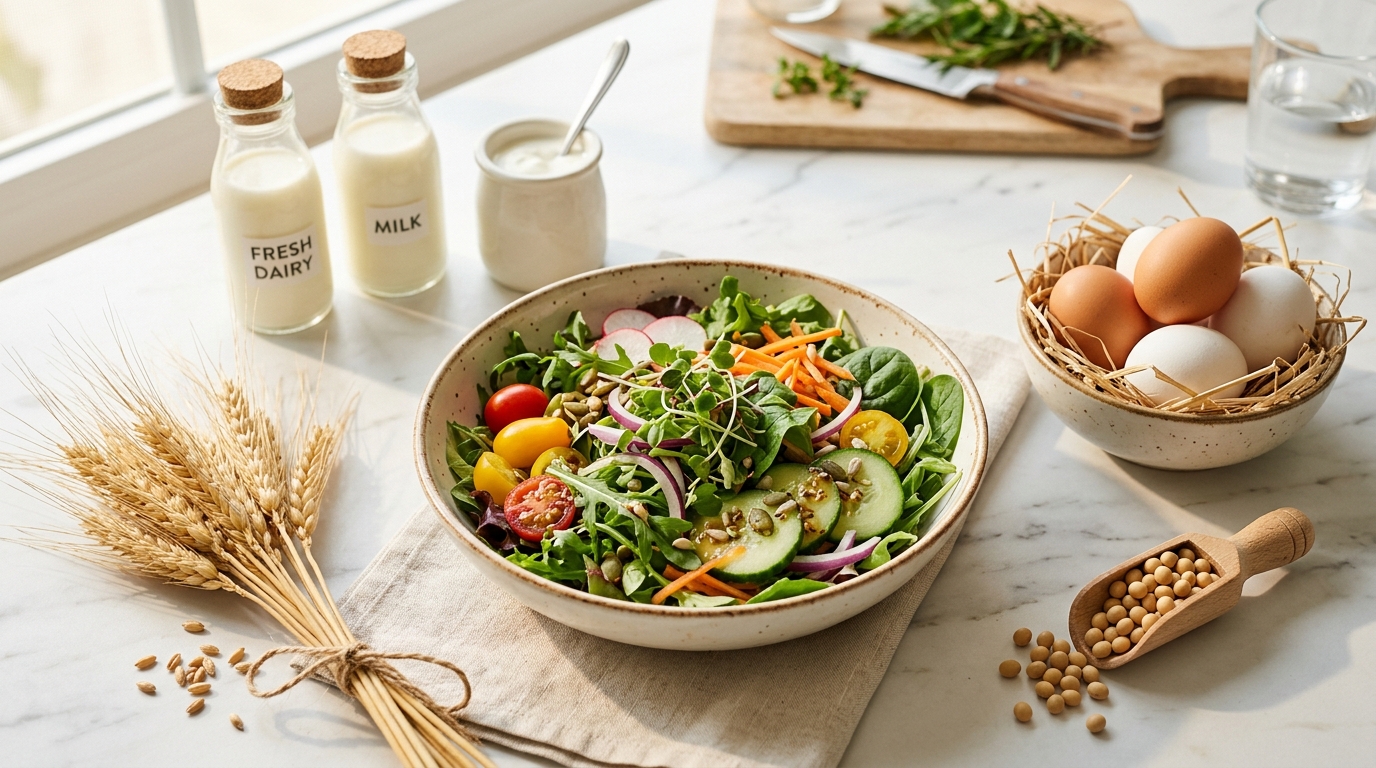
Check the presence of dairy, soy, eggs, gluten, and MSG across all pizza toppings and sides.
Keto Menu Guide
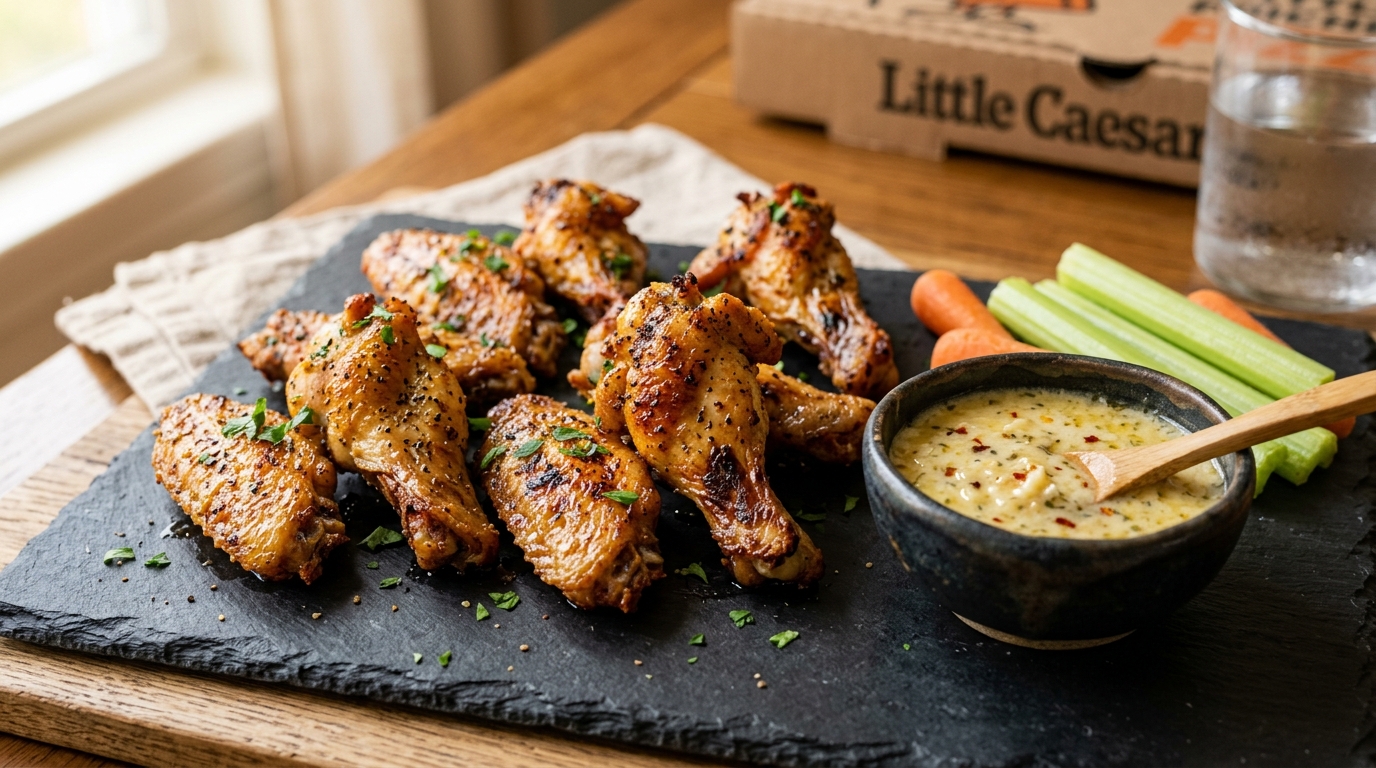
Skip the high-carb gluten crusts and view our low-carb keto-friendly wings and sauces options.
Conclusion: Smart Indulgence
To conclude, experiencing a stomach ache after eating Little Caesars is typically caused by the high sodium load, lactose levels in the Mozzarella-Muenster cheese blend, or the soybean pan grease used for baking deep-dish pizzas. While health-conscious diners might opt for competitor's gluten-free bowls, choosing standard thin crust pizzas at Little Caesars can significantly reduce digestive discomfort. You can check the exact nutritional values and build customized low-sodium meals using our interactive Little Caesars Nutrition Calculator. For insights on tomato acidity and spice seasonings, check out Why Is Little Caesars Sauce So Good?.
Before placing your next custom pizza order, check out our local Menu Prices page to calculate budgets, and search for active discount codes on our Deals and Coupons page!
Featured Menu Items in This Guide
Verified Editorial & Price Research
The LittleCeasarsMenu Editorial & Nutrition Team
Our articles are co-authored and reviewed by Marcus Vance (Lead Fast-Casual Pricing Analyst) and Elena Rostova, MS, RD (Food Allergen & Nutrition Specialist). We conduct weekly price checks across Detroit, Chicago, and California franchises and audit official nutrition data to ensure complete consumer transparency.