How to Choose Between a Traditional Pizza Restaurant or Fast Food at Little Caesars
Should you dine at a traditional pizza restaurant or fast food at Little Caesars? We break down the real differences in cost, speed, convenience, and dining experience for American families.
Independent Fan Site Disclaimer
This article is part of our independent reference guide. LittleCeasarsMenu.com is a fan-run website and is not affiliated with, authorized, or sponsored by Little Caesars Enterprises, Inc. All registered trademarks, logos, and prices belong to their respective owners and may vary by location.When hunger strikes on a busy weeknight or during a weekend gathering, American diners face a familiar dilemma: should you visit a traditional sit-down pizza restaurant or fast food at Little Caesars? While both options satisfy cravings for melted mozzarella, savory sauce, and warm baked crust, they deliver completely different experiences in price, speed, convenience, and atmosphere. Understanding how these two dining models compare helps you make the best choice for your schedule, wallet, and occasion.
Direct Answer: Which Should You Choose?
Choose a traditional pizza restaurant when you want a relaxed, sit-down dining experience with table service, custom gourmet toppings, alcoholic beverages, and a social setting where dining time is secondary. Choose fast food at Little Caesars when speed, low cost, and grab-and-go convenience are your top priorities—allowing an entire family to enjoy hot, freshly baked pizza in minutes for less than half the price of a sit-down meal.
What Is the Difference Between Fast Food and Traditional Restaurants?
At a fundamental level, the distinction between a traditional sit-down dining establishment and a quick service restaurant (QSR) revolves around two core pillars: service architecture and operational pace.
Service Model: Table Service vs. Grab-and-Go Carryout
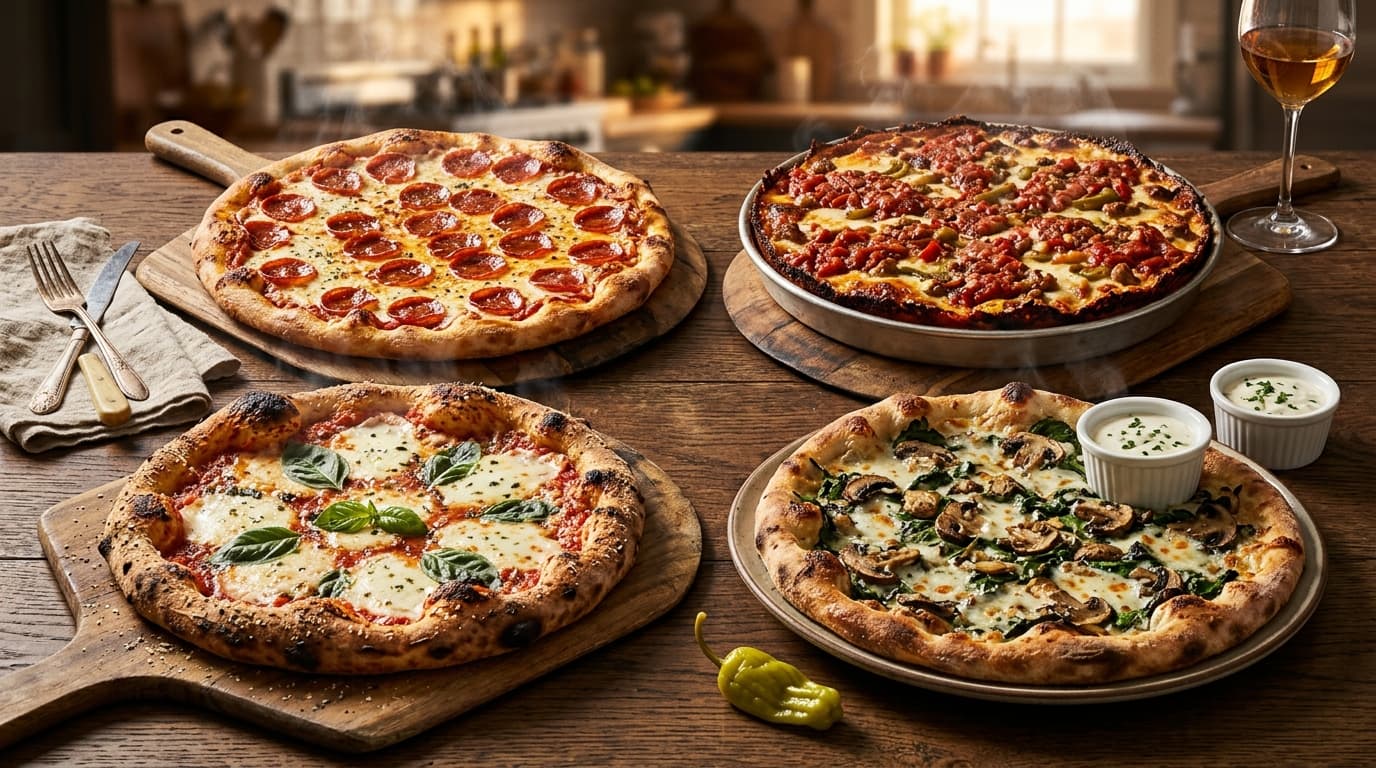
A traditional pizza restaurant operates on a full-service hospitality model. Guests are greeted by a host, seated at dining tables, attended to by dedicated servers, and provided with printed menus, silverware, and glassware. Orders are taken course-by-course, and the dining experience commonly lasts anywhere from 45 to 75 minutes. At the conclusion of the meal, patrons receive an itemized bill requiring payment processing and customary tipping.
In contrast, a fast food restaurant relies on an off-premise, counter-service, or automated pickup model. Guests order directly at the counter, through a mobile app, or via self-service kiosks. Food is packaged immediately in insulated cardboard boxes designed for carryout or delivery, eliminating table settings, waitstaff delays, and formal dining overhead.
Kitchen Workflow and Ticket Times: Minutes vs. Decades of Tradition
The kitchen environments in these two concepts differ dramatically:
- Traditional Pizzerias: Often feature stone deck, brick, or wood-fired ovens. Dough frequently undergoes 24 to 72 hours of cold fermentation, pizzas are individually hand-stretched and topped to order, and bake times range from 8 to 20 minutes depending on oven temperature and crust thickness. During peak dinner hours, kitchen ticket backlogs can extend total wait times past 30 to 45 minutes.
- Fast Food Pizza Chains: Rely on continuous-flow conveyor belt ovens engineered for consistent internal temperature and rapid baking (typically 4.5 to 6 minutes). Recipes are tightly calibrated for speed, high-volume production, and repeatable execution across thousands of daily orders.
What Type of Restaurant Is Little Caesars?
Consumers frequently ask: Is Little Caesars a fast food restaurant, or does it count as a traditional pizzeria?
Little Caesars is defined within the US food service industry as a Quick Service Restaurant (QSR) specializing in carryout and delivery pizza. Founded in 1959, the brand transformed the pizza landscape by pioneering high-speed fulfillment and aggressive price-to-value positioning rather than traditional dine-in amenities.
The Quick Service Restaurant (QSR) Model Explained
Unlike older mom-and-pop pizzerias designed around neighborhood booths, Little Caesars retail storefronts feature compact front-of-house footprints. There are generally no dining room tables, public restrooms, or waitstaff. This deliberate layout dramatically lowers store real estate and labor expenses—savings that are directly reflected in the affordable Little Caesars menu prices consumers pay at the register.
The Role of HOT-N-READY® and Pizza Portal® Technology
Two proprietary innovations anchor Little Caesars as a premier quick-service powerhouse:
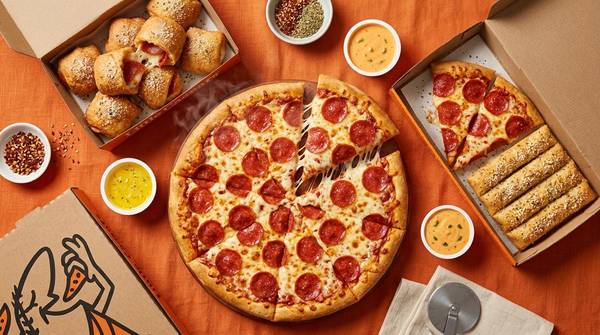
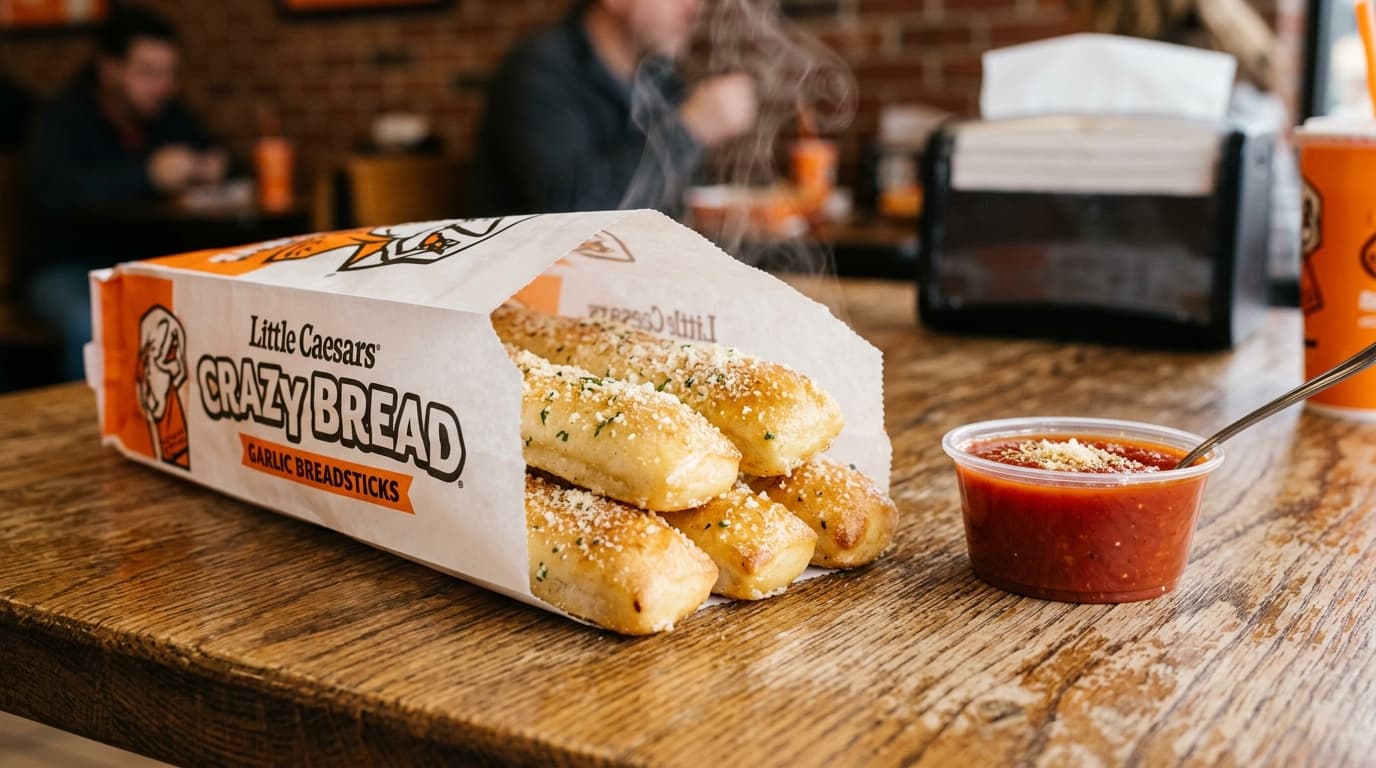
- HOT-N-READY® Program: Standard cheese and pepperoni pizzas, alongside popular side items like Crazy Bread®, are kept piping hot in specialized warming units between 4:00 PM and 8:00 PM (and all day at many locations). Walk-in customers can pay and walk out the door in under 60 seconds with zero advance notice.
- Pizza Portal® Pickup: Customers ordering via the official mobile application receive a secure 3-digit code or QR code once their order is baked. Upon arrival, they simply scan their phone at the self-service heated cubbies inside the lobby, grab their fresh order, and leave without standing in line or interacting with counter personnel.
Head-to-Head Comparison: Traditional Pizza Restaurant vs. Fast Food
To help visualize the core trade-offs, the following comparison highlights key operational, financial, and experiential factors between a standard American sit-down pizzeria and Little Caesars:
| Comparison Metric | Traditional Pizza Restaurant | Fast Food (Little Caesars) |
|---|---|---|
| Average Meal Wait Time | 35–60 minutes (seating, ordering, baking) | 0–10 minutes (instant with HOT-N-READY®) |
| Service Format | Full table service with waitstaff | Carryout counter, Pizza Portal®, or delivery |
| Cost for a Family of Four | $50.00 – $85.00+ (with drinks & tip) | $16.00 – $24.00 total |
| Tipping & Service Fees | Expected (18% – 22% server gratuity) | No mandatory tipping for standard carryout |
| Customization Level | Extensive (artisanal toppings, specialty crusts) | Focused on core, high-demand favorites |
| Atmosphere | Social, ambient dining room with beverages | Off-premise dining (eat at home, work, or event) |
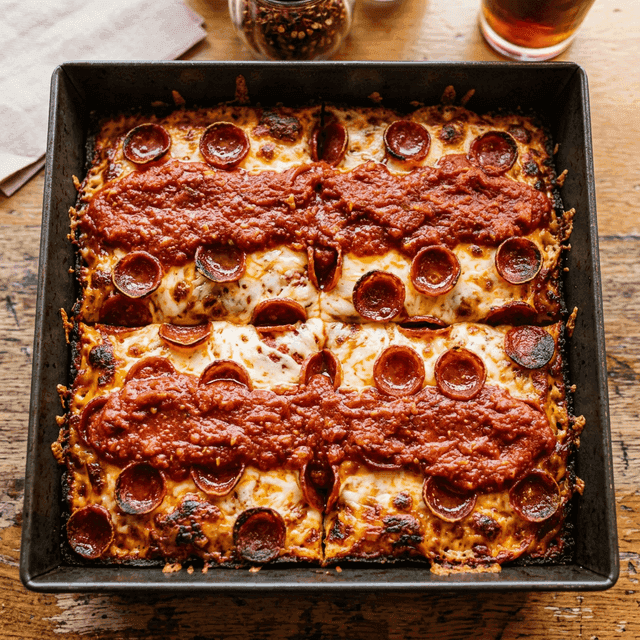
| Pizza Crust Variety | Neapolitan, thin tavern, or coal-fired | Round hand-tossed, Detroit-Style Deep Dish |
The Financial Equation: Price, Tipping, and Real Dining Costs in the US
For American households managing monthly grocery and dining budgets, the financial disparity between full-service dining and quick-service pizza carryout represents one of the most compelling decision factors.
Breaking Down the Bill for an Average Family of Four
Consider what an evening meal looks like in real dollars when feeding two adults and two children:
Traditional Sit-Down Pizzeria Bill
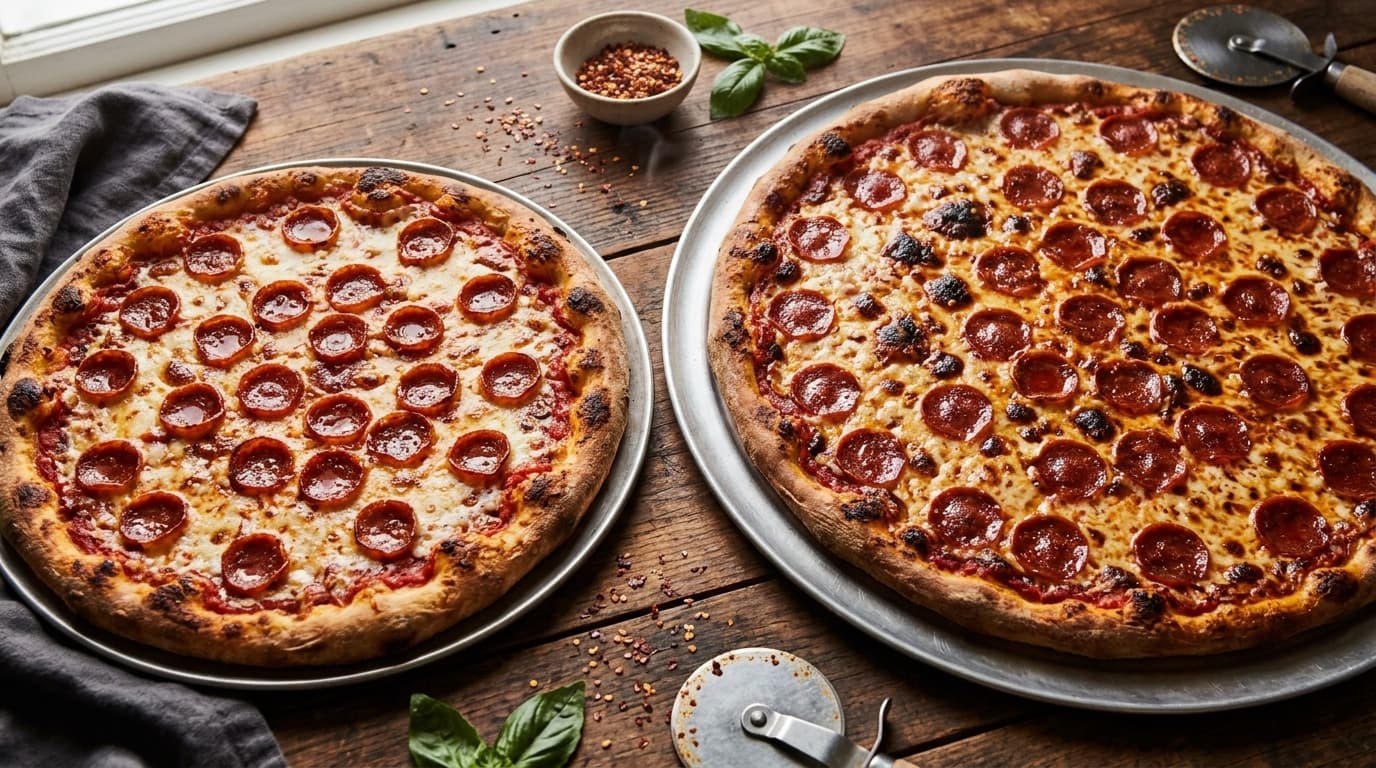
- One 16-inch Specialty Pizza: $24.00
- One 14-inch Cheese Pizza: $18.00
- Garlic Bread or Appetizer: $9.00
- Four Soft Drinks ($3.50 ea): $14.00
- Subtotal: $65.00
- State & Local Sales Tax (~8%): $5.20
- Server Gratuity (20% Tip): $13.00
- Total Estimated Out-of-Pocket: $83.20
Little Caesars Carryout Bill
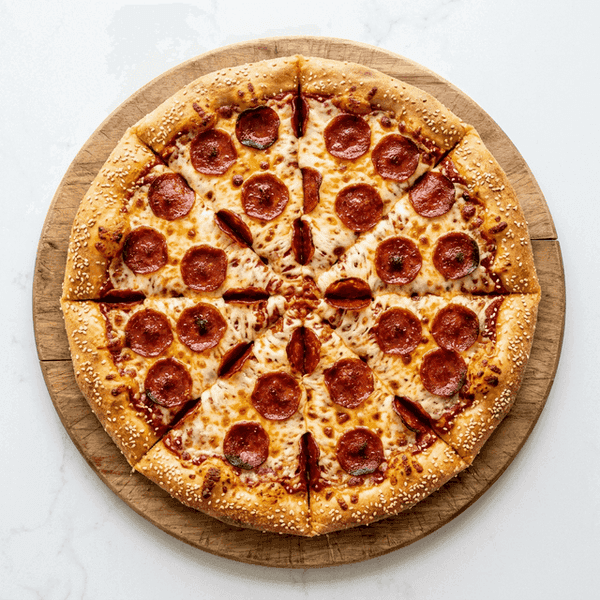
- Classic Large Pepperoni Pizza: $6.79
- Classic Large Cheese Pizza: $6.79
- Crazy Bread® (8 pcs + Sauce): $3.99
- 2-Liter Soda: $3.49
- Subtotal: $21.06
- State & Local Sales Tax (~8%): $1.68
- Carryout Tip: $0.00 (Optional)
- Total Estimated Out-of-Pocket: $22.74
By opting for Little Caesars carryout, a family saves more than $60.00 on a single dinner—an immediate savings of roughly 73%. Check our detailed pizza sizes and slice breakdown to calculate exact surface area and slice counts per person before ordering.
Hidden Costs: Service Charges, Gratuities, and Beverage Markups
Beyond the menu item prices, traditional sit-down dining carries substantial structural markups. Fountain beverages and iced teas frequently exceed $3.50 to $4.00 per cup with significant markup over grocery pricing. Furthermore, customary US tipping standards of 18% to 22% are an essential part of dining out at full-service venues where servers rely on tips for fair wages. In contrast, picking up quick-service pizza involves zero mandatory service fees, allowing budget-conscious families to keep tight control over total expenses.
When to Choose a Traditional Pizza Restaurant
Despite higher costs and longer wait times, traditional pizza restaurants excel in situations where the atmosphere and culinary artistry are the primary objective:
- Date Nights and Anniversaries: An intimate setting with low lighting, table service, curated wine lists, and fresh draft beer creates a memorable ambiance that carryout cannot replicate.
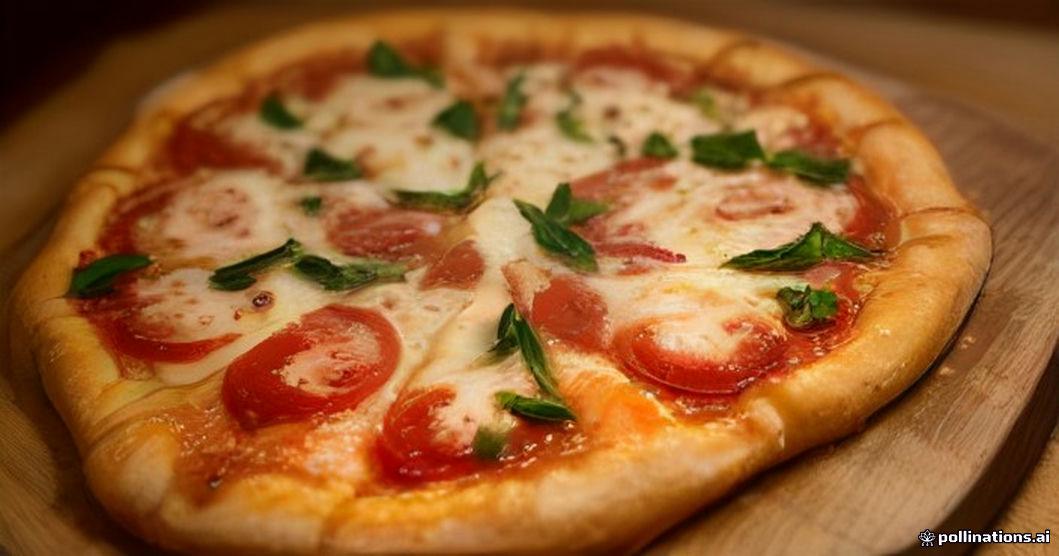
- Niche Culinary Styles: If you are seeking genuine Neapolitan pizza certified with San Marzano tomatoes, wood-fired char, fresh buffalo mozzarella, or specialty artisanal cheeses, local craft pizzerias provide specialized culinary mastery.
- Social Gathering Celebrations: Meeting friends or extended family who want to linger over appetizers, conversation, and cocktails for two hours makes the full-service dining room worth the investment.
When to Choose Fast Food Pizza at Little Caesars
Little Caesars shines in practical scenarios where time, convenience, predictability, and budget reign supreme:
- Hectic Weeknight Dinners: After long work shifts, school pick-ups, or evening sports practices, picking up a ready-to-eat hot meal in under two minutes prevents dinner-prep stress.
- Feeding Large Crowds and Youth Parties: Feeding ten, twenty, or fifty hungry teenagers, youth sports leagues, or birthday party guests at full-service prices can easily break a budget. With competitive bundle specials and our latest Little Caesars promo codes and meal deals, hosts can feed large groups affordably.
- Large Event Catering & Planning: If you are coordinating a large school event, church gathering, or office party, use our interactive party pizza calculator to estimate exact pie counts and optimize your budget.
- Comfort of Home Dining: Enjoying a casual family movie night or watching football on your own couch without having to dress up or wait on table service is the ultimate weekend convenience.
Is Pizza Considered Fast Food? Understanding the Spectrum
The question "is pizza considered fast food?" does not have a single black-and-white answer because pizza occupies multiple tiers of the American dining landscape:
- Quick-Service Fast Food: Highly standardized preparation, automated baking, instant pickup, and aggressively low price points. Little Caesars is the archetype of this tier.
- Fast-Casual: Made-to-order personal pies baked in high-temp ovens along an assembly line counter where diners pick custom toppings (similar to burrito-bar setups).
- Traditional Full-Service: Sit-down dining rooms, extensive Italian-American menus including pastas, salads, and calzones, with servers and longer preparation cycles.
- Artisanal & Craft: Gourmet pizzerias focused on historic sourdough starters, imported Italian flours, brick-oven wood-fired heat, and farm-to-table ingredients.
While pizza originated as classic street food in Naples, modern American consumers enjoy the flexibility of moving across this entire spectrum depending on their daily needs.
Practical Decision Checklist for American Diners
Before deciding whether to book a table at a local sit-down pizzeria or swing by Little Caesars, ask yourself these four simple questions:
- 1. How much time do you have? If you have under 20 minutes, choose Little Caesars. If you have an hour or more to unwind, choose a traditional restaurant.
- 2. What is your total spending budget? If your meal budget is $25 or less for the household, fast-food carryout is the clear answer. If you are prepared to spend $60 to $90+, a sit-down dining experience is viable.
- 3. Where do you want to eat? If you want to relax in your living room, back patio, or tailgate party, carryout pizza fits naturally. If you want a change of scenery and an evening out, head to a dining room.
- 4. Are you feeding a crowd? For game days, school banquets, and birthday parties, quick-service value allows you to purchase multiple pies (including Detroit-Style Deep Dish and stuffed crust variations) for the cost of a single gourmet artisanal pie.
Consumer Pricing & Availability Notice
Menu prices, menu item availability, and participation in promotional programs like HOT-N-READY® can vary depending on local franchise ownership, regional supply chains, and municipal sales taxes across the United States. Always check your local store via the official Little Caesars app or counter before finalizing your order.Featured Menu Items in This Guide
Independent Consumer Dining & Menu Analysis
LittleCeasarsMenu.com Editorial Research Team
Researched and fact-checked against current US restaurant industry standards and official Little Caesars service disclosures. LittleCeasarsMenu.com is an independent consumer reference guide not affiliated with Little Caesars Enterprises, Inc.